




Welcome to the Ramsey Laboratory for Environmental Archaeology
Mission
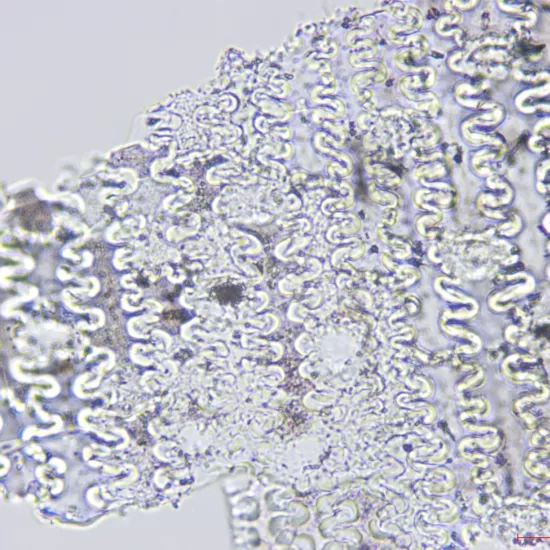
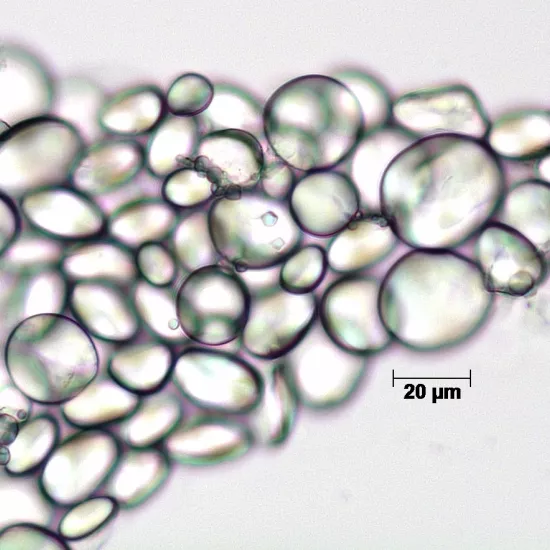
Paleoethnobotany, the study of how people used plants in the past, is an essential focus in archaeology. The Ramsey Laboratory for Environmental Archaeology (RLEA, re-LEE-ya) at the University of Toronto Mississauga (UTM) supports a multi-proxy approach to paleoethnobotany, including phytolith, starch, starch spherulite, microcharcoal and macrobotanical analyses. Focused particularly on the extraction of ancient microbotanical remains from sediments, artifact residues and teeth, this approach allows us to answer questions related to how humans impacted their environments, adapted to changing climate, and developed subsistence practices and foodways. Ultimately, research at the RLEA is directed towards understanding how human-environment interactions impacted and facilitated major transitions in human prehistory.
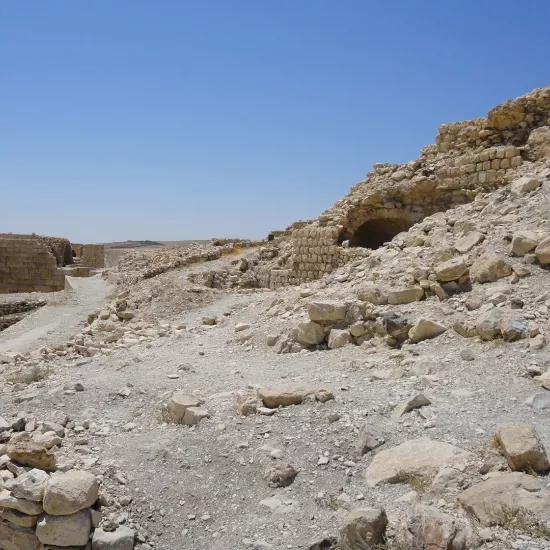
The RLEA occupies three distinct lab spaces, including a dirty lab, a clean wet lab, and a microscope and computing lab. In addition, the RLEA has priority access to a high spec GPU node housed and maintained by the UTM I&ITS (Information & Instructional Technology Services) to facilitate big data analysis and artificial intelligence (AI) applications. With the installation of new equipment and renovations (2023), the RLEA can support a range of environmental analyses and sample imaging needs. Our comparative collections are constantly being developed, and at present focus on the flora of the Near East, East Asia, Mesoamerica and Ontario.

Connect With Us
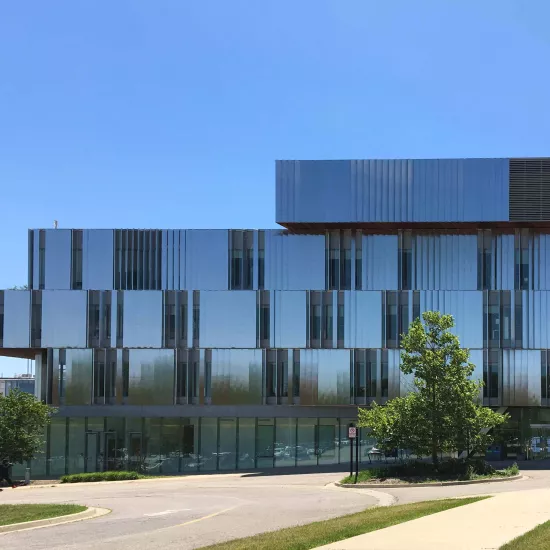
Terrence Donnelly Health Sciences Complex
University of Toronto Mississauga
3359 Mississauga Road
Mississauga ON L5L1C6
Canada
Supported by

New Paper

SSHRC IDG Award

CFI Award
