| Research |
|---|
| |
|
| |
|
|
| Project
| Progress
|
Butter-and-eggs in Churchill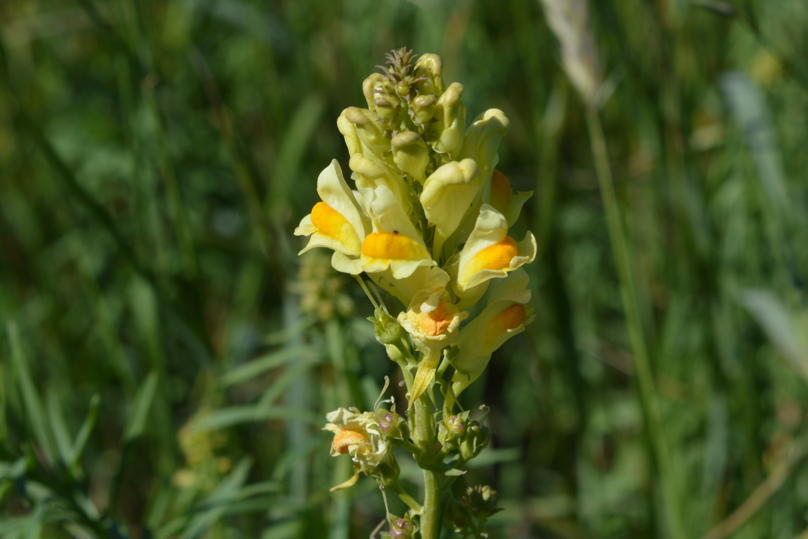
| Non-native plants are rare in tundra and treeline habitats, but the town of Churchill, Manitoba is an exception: many non-native species have been recorded here as a result of Churchill's history as a transportation hub and grain port, though few have spread out of town. Do these species represent a potential threat to surrounding natural habitats? This work, based at the Churchill Northern Studies Centre, currently is the major focus of my lab.
| Vicki Zhang is investigating factors may affect the spread of invasive species, including dispersal, temperature, nutrients, and disturbance. Noam Harris is investigating the role of intact ground cover in resisting invasions. Francine Da Silva worked on the importance of buildings in providing warm microhabitats for the non-native dandelion, Taraxacum officinale.
|
| |
|
Canada Thistle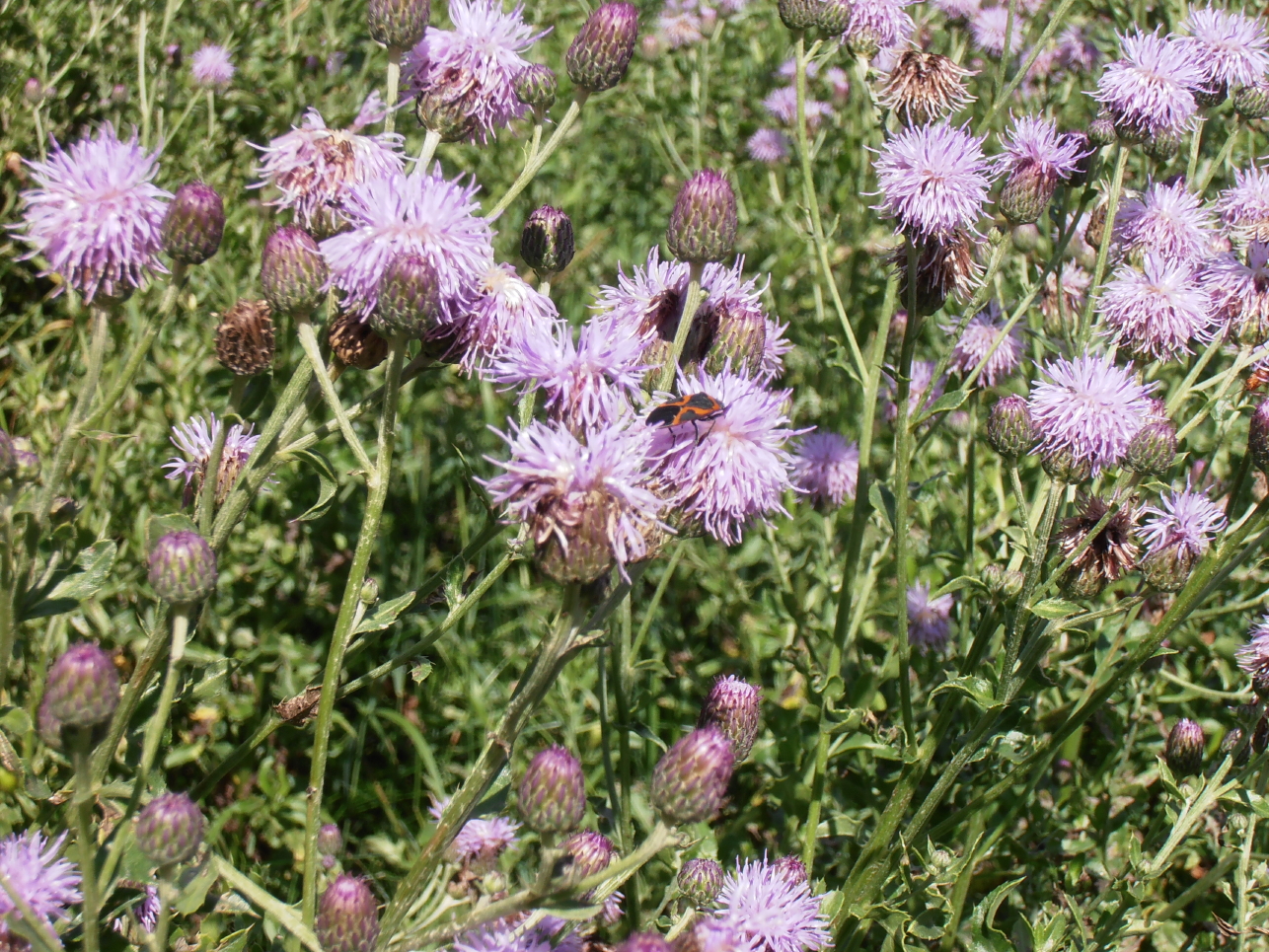
| How do interactions with pathogens and herbivores affect populations of non-native plants, and can these effects spill over to affect native species? We have been investigating this issues at the Koffler Scientific Reserve, using the European invader Canada Thistle (Cirsium arvense) as a model system.
| Krystal Nunes described patterns of colonization of C. arvense by natural enemies, and the consequences for this plant's growth. Jason Verbeek investigated soil-mediated impacts of C. arvense on other species.
|
| |
|
Common Burdock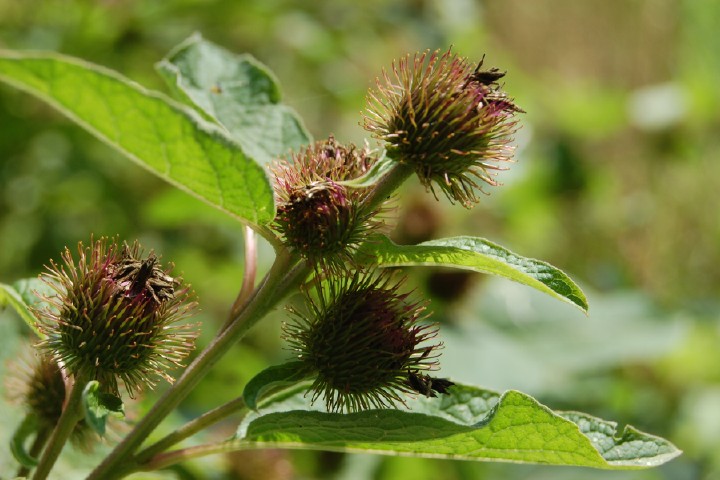
| Interactions between invaders and their natural enemies in marginal populations. Do invasive plants escape their enemies near their geographic range limits? We have investigated this along a transect from southern Ontario to as far north as Moosonee and Churchill.
| Krystal Nunes investigated these and related issues with Canada Thistle (Cirsium arvense). Daz Kambo and Kelvin Lee worked on this problem, using Burdock (Arctium minus) as a model species.
|
| |
|
Jokers Hill Forest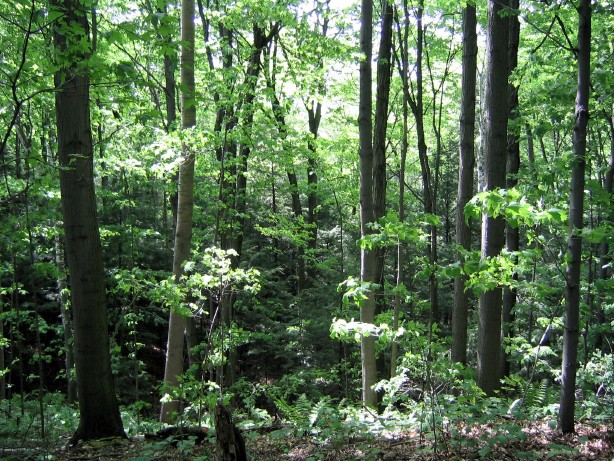
| Experimental studies of the influence of pathogens and predators (including earthworms) on seed mortality. This work has involved studies of both old field plants and forest trees. The principal study site has been the Koffler Scientific Reserve.
|
Colin Cassin studied impacts of invasive earthworms on seeds of forest plants.
Michelle Schafer investigated whether different fungal communities make some habitats more dangerous to seeds.
Deborah Manners considered influences of pathogens on survival of tree seeds.
|
| |
|
Beetles on St. Johnswort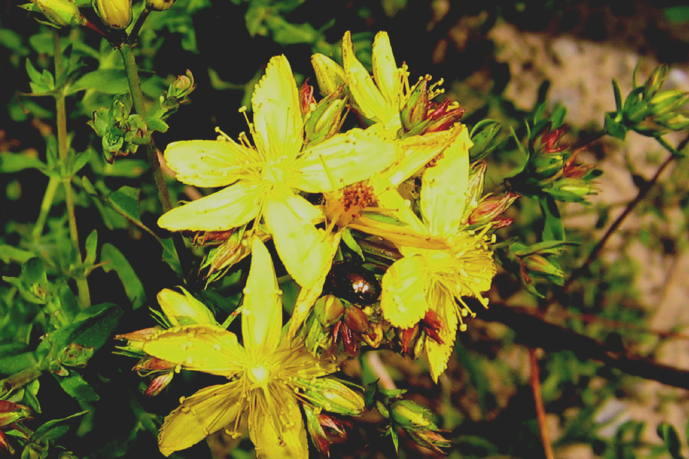
| Testing the Enemy Release Hypothesis of plant invasions. This is the idea that non-native plants may have an advantage over natives because they lost their enemies (herbivores and pathogens) during the invasion process. This work was centred at the Koffler Scientific Reserve.
| Steve Hill studied how phylogenetic isolation influences enemy release; Sean Blaney studied whether enemy release applies to pathogens and predators of seeds.
|
| |
|
Beetles on Ragweed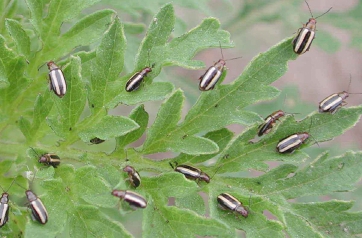
| Biology of Common Ragweed (Ambrosia artemisiifolia). Ragweed is a North American native which has widely invaded Europe, Asia, and elsewhere. We have studied this plant both in its native range and in areas where it has been introduced.
| James MacKay studied whether isolated populations experience less damage by natural enemies. Andrew MacDonald investigated whether natural enemies have a significant impact on fitness, both at the Koffler Scientific Reserve.
|
| |
|
Akimiski Island Saltmarsh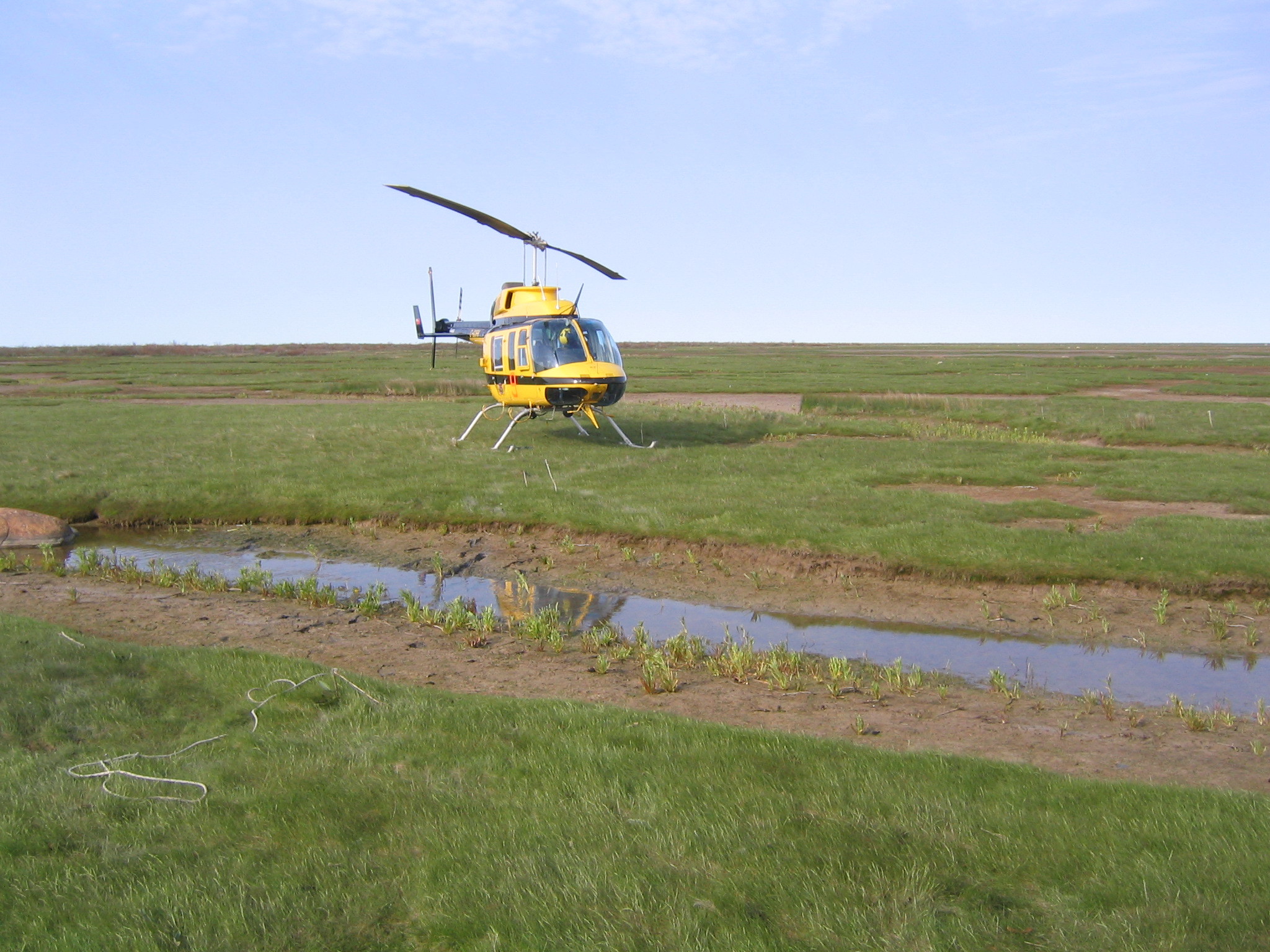
| Changes in arctic habitats used by nesting Snow Geese. Foraging by these birds and other geese has significant impacts on vegetation surrounding their breeding colonies. Study sites have included areas on the coasts of Hudson and James Bay, as well as Akimiski Island, Bylot Island and Southampton Island.
| Pamela O studied effects of grazing by geese on the grass Festuca rubra. Jennie McLaren examined the effects of geese on soil. In 2008 I revisited transects I sampled 10 years earlier on Akimiski to determine how vegetation used by geese has changed. In 2010, I sampled vegetation in Snow Goose colonies on Southampton.
|
 utoronto.ca